Robotics: designing, constructing, operating,applying.
Team: collaborating, problem solving, goal-setting, accountability.

 This year, as our school Robotics Team was about to begin, I do admit I was incredibly nervous. I felt as though I didn’t know enough about Robotics to be able to develop and sustain a team. I decided my first step in learning how to start would be to interview a high school student who has been part of the Robotics Team since he was in elementary school. At our meeting, he said something very powerful that resonated with me and impacted my perspective on not needing to have an extensive background in robotics to begin. He said the most important part of facilitating a Robotics Team is not to give the answers but to ask the right questions that would lead to the team generating ideas and strategies. I was immediately at ease and excited for the new adventure. I was feeling ready to begin a learning partnership with the students. I began reflecting about the students and how such a team could benefit them in developing their life long learning skills, to motivate them to achieve and develop key future skills. I wondered how participation in the Robotics Team could develop both the individual student and the group. I also wondered how the learning skills each team member was developing would not only benefit the team, but also transcend into the classroom.
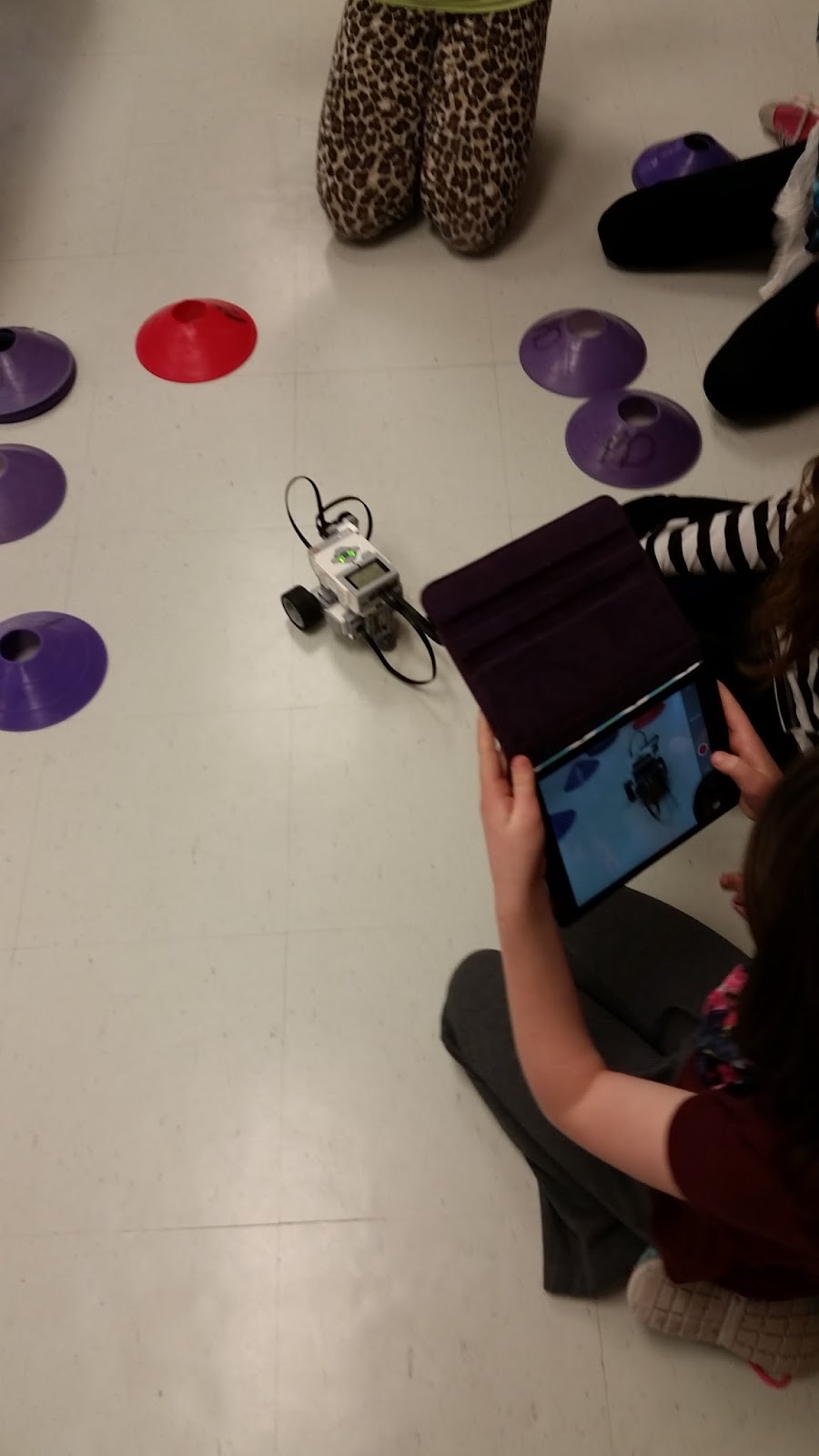
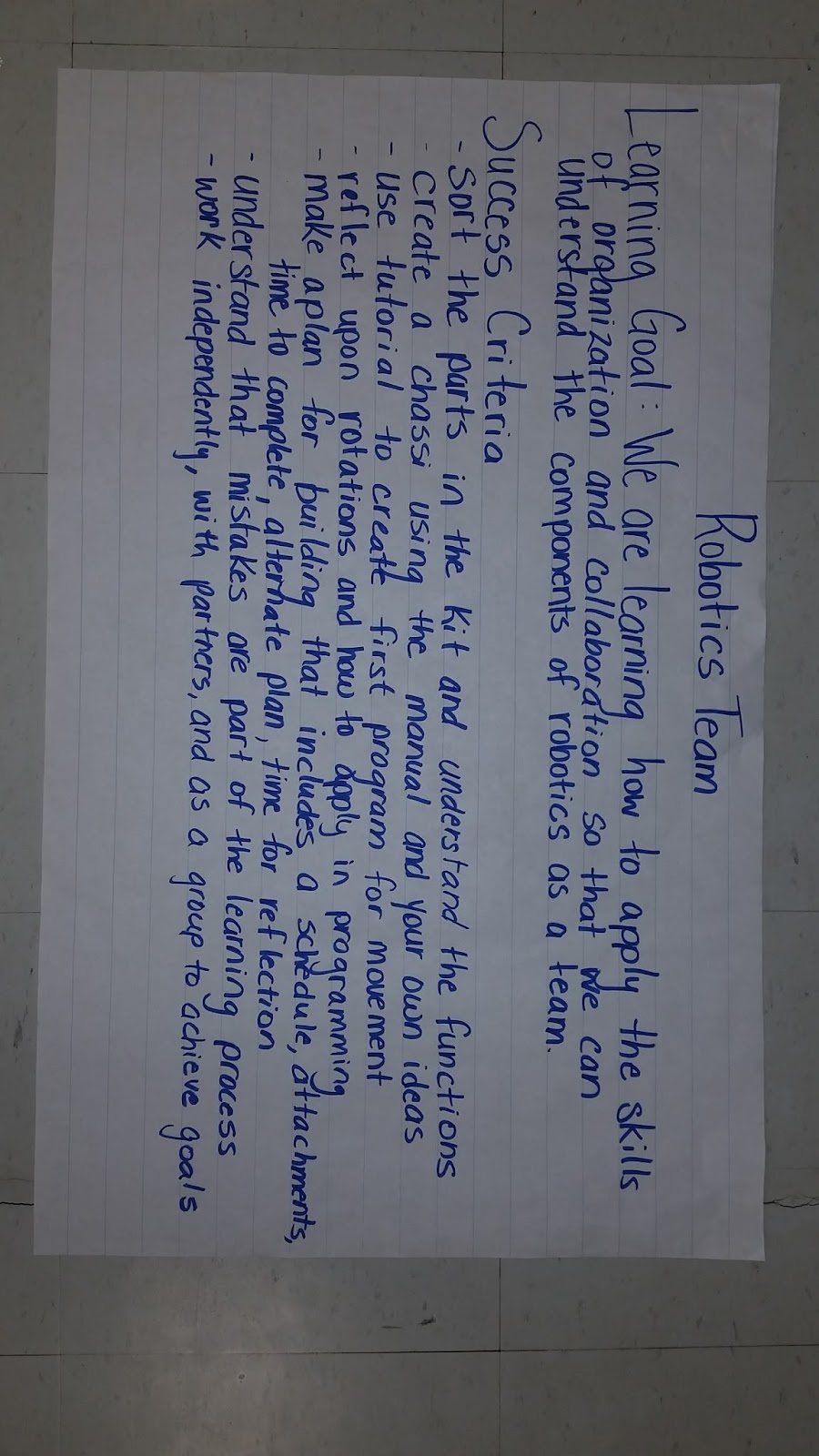
Each week, when we meet, the students are so engaged and genuinely amaze themselves, their teachers, and myself about how much they are developing the learning skills of organization, collaboration, problem solving, responsibility, independent work, self-regulation, and initiative. They are making the learning skills come alive! They show initiative as they plan new challenges to overcome. The most recent challenge they are planning for is how to program their robot in an obstacle course. They are persevering and demonstrating self-awareness as they self-regulate within their partnerships. The students are becoming aware of the need to be flexible and open-minded as they collaborate towards a common goal. Students are realizing that their prior assumptions about how to accomplish a task are getting challenged and they need to be able to effectively reach a group consensus before moving forward as a team. They are developing their key future skills, they are learning to collaborate, problem solve, and communicate. The 6 C’s are being developed through their application of learning skills during each session.
Throughout each session, as I interact with students and listen in on their dialogue to determine next steps, I encourage them to think through their steps and monitor their progress, ask one another questions, and challenge them to persevere. At the end of each session, it is proving to be very valuable to take 5 minutes for whole group reflection for students to share what they learned throughout the session and what they think they should do next. They are monitoring their own progress and are aware of the challenges they have to overcome. This is assessment for and as learning in action! We have only begun to scratch the surface in how we can monitor our learning and set goals for ourselves and the team.
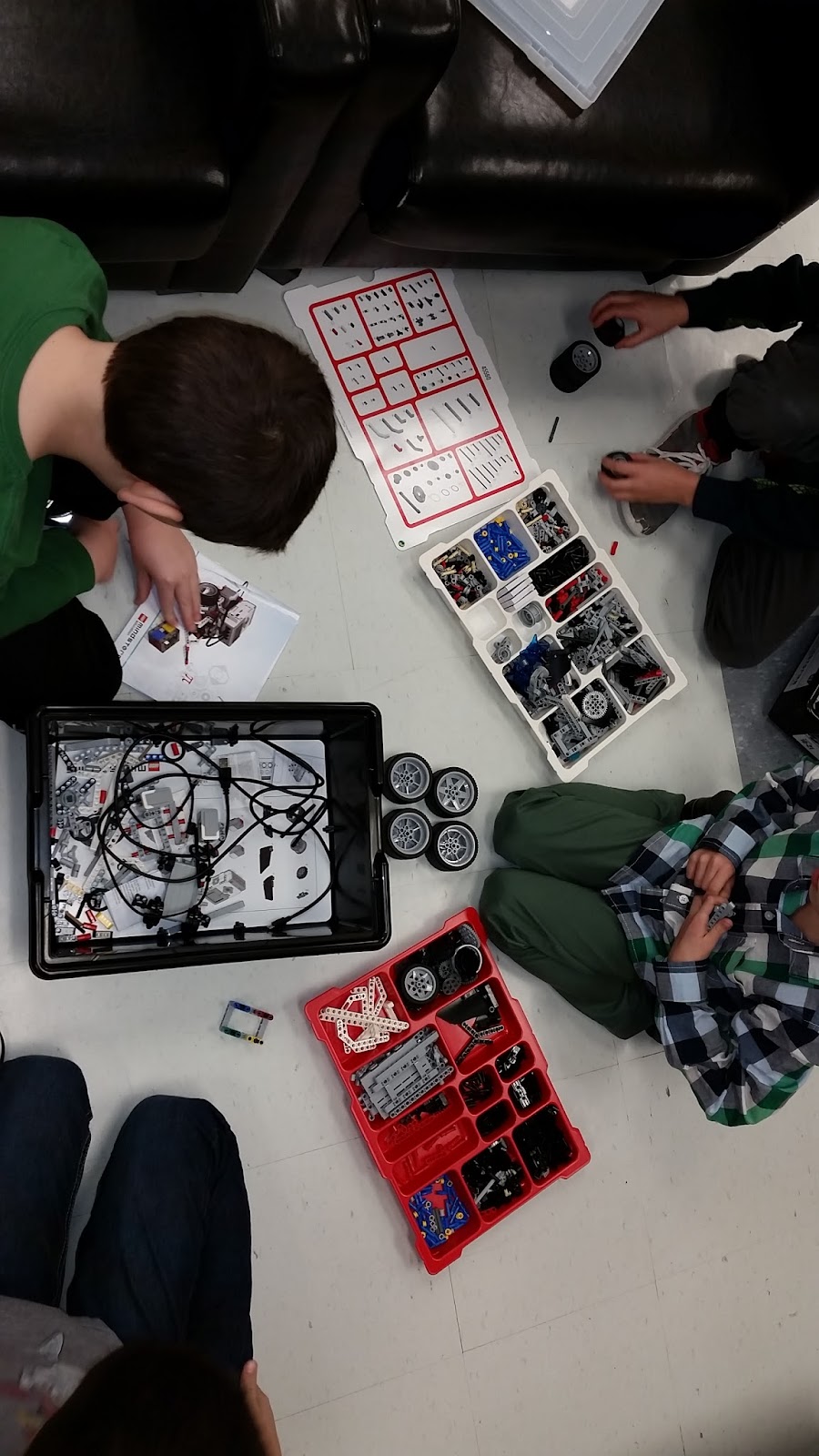 “I don’t know how to do everything involved so sometimes the best thing I can do is just to listen. If I’m not so good at things, I can work at it and get better like when we were programing and we didn’t know how to but we worked at it and learned how to.” (Student, 2016)
“I can help my team and they’re willing to accept my ideas and they are willing to help me if I need help too.” (Student, 2016)
Our first Aha Moment!
 When the students came to the first session, I wanted to start them with an organization task. This task would allow them to have their kit organized and would also familiarize them with all the components. I thought perhaps the students would want to get to building right away and somehow be bored with the organization task. Just the opposite was true. The students were completely engaged. They were so curious about all the components and were very eager to become oriented with the robotics kits. This session also proved favourable as we progressed through the weeks. The students quickly realized the time spent at the beginning allowed them to have a bigger picture of all the parts and provided them with more ease as they located and built their robots.
The students had their own realization, too. They quickly realized the time spent planning and organizing up front pays off. They were able to focus on the building and collaborating since they all were part of developing a common goal.
So, instead of the boredom I feared, the session allowed us to learn a valuable lesson that would be necessary for future team growth.
Throughout each session, the students share that they are learning more about themselves and are developing an awareness that the skills they are developing can be applied in other areas in their day to day life such as the classroom. They are excited to share how they overcame a challenge and how they needed to take a step back in the building or programming in order to move forward with their goals.
“I learned that when something goes wrong, I cannot get frustrated and need to keep trying.” (Student, 2016)
“I learned that I shouldn't be so uptight and to just get out of my shell and have fun with what I am doing. I learned to not be afraid to have a partner for work in class and not to be so uptight about work in school and to have fun with it.” (Student, 2016)
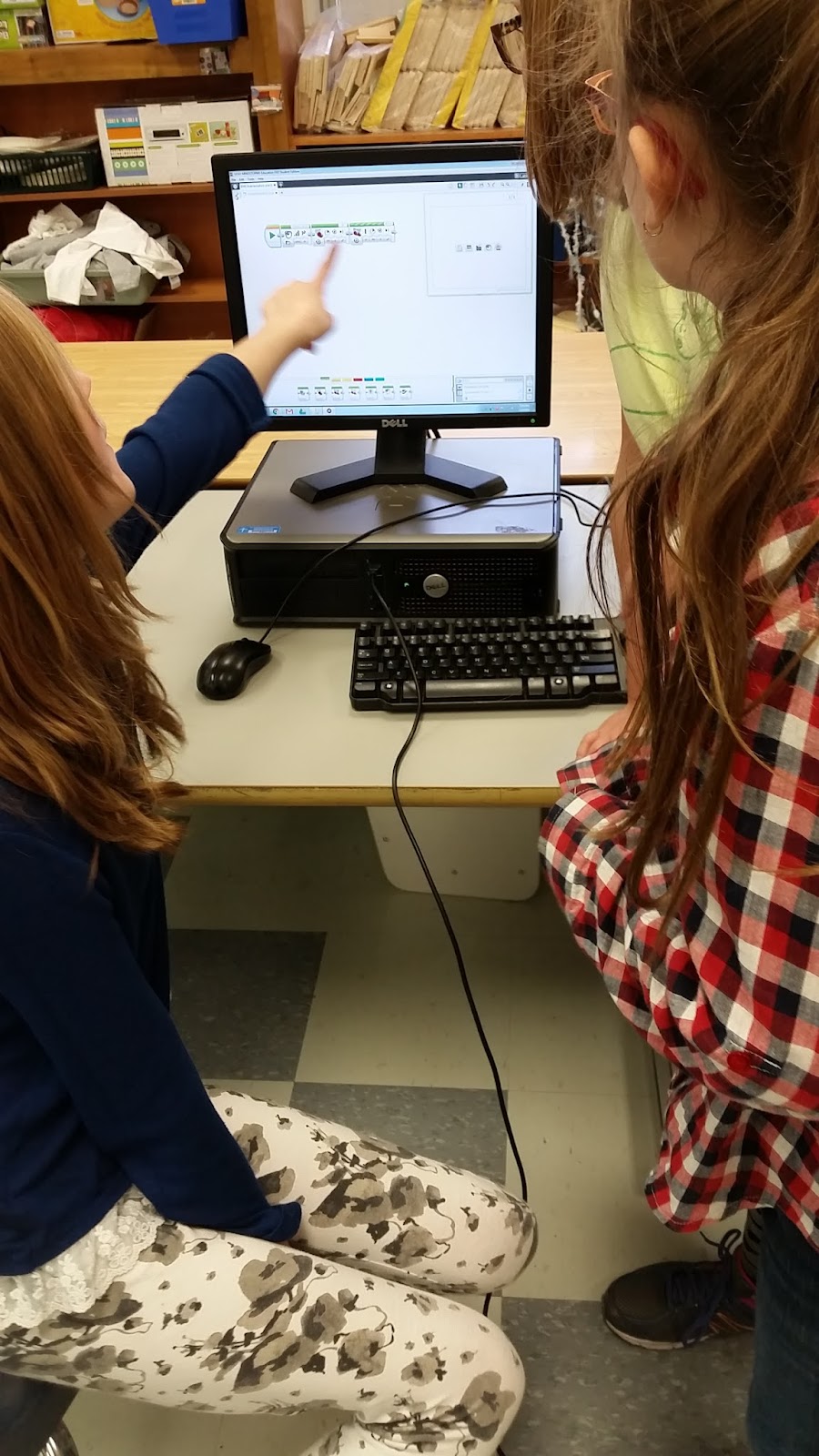
As I reflect upon the apprehension I felt to start, I am so glad we jumped in and are learning both about robotics and ourselves as learners. There are new challenges that lie ahead. Learning how to program and continuing to learn how to negotiate working as a team with self and group goals, for example. The time spent during each session flies by and is creating growth on all parts!
“An exciting moment was when we started to program. This gave me a shot of excitement and I want to learn how to program.” (Student, 2016)
“I can really see the shift in his confidence in the classroom! Over the past few weeks, he has been offering more ideas in class and is beginning to handle his frustration so much better. He used to give up quickly and say he couldn’t, but now he is persevering more.”
(Teacher, 2016)
Thank you to SCCDSB teacher, Cortnee Goure, in Wallaceburg, ON for sharing her learning! She can be found on twitter @CGoure1
 Changing educational approaches to something as tried and true as the classroom novel can be a daunting and potentially frightening task. However, coming to the end of a novel unit that turned my usual practice on its head, I can honestly say that changing an approach is exciting and rewarding.


